
How to Deal with Depression & Anxiety: List of Top 10 Best Natural Antidepressants
Although everyone can experience sadness from time to time, not everyone will suffer from depression. Chances are that you don’t have a good understanding of what living with this mental illness is like if you’ve never been depressed.
Depression is like a big black dog that feeds on your fear and anxiety. The more you’re depressed, sad, and anxious, the larger the dog grows — until it eats you alive.
The illness affects both our mood and our ability to feel, think, and function. It dampens feelings of pleasure, makes a person less able to bond with other people, limits creativity, and washes away hope in the worst scenario.
Depression is also often accompanied by deep emotional pain, experienced by the person suffering from it, but also its close family and friends.
While you may think that depression is just an excuse for somebody’s laziness or a lack of will for change, it just shows how much depression is misunderstood.
When you’re depressed, you genuinely believe that change isn’t possible for you; that the overwhelming darkness will stick with you forever.
In this article, we leave no stone unturned when it comes to coping with depression. We’ll elaborate on the symptoms, diagnosis, treatments, and natural remedies.
How to Cope with Depression: Frequently Asked Questions & Answers

Looking for ways to cope with depression? Here we’ve prepared some common questions and answers — from diagnosis to available treatments.
How do I know if I’m depressed?
Common signs of depression in adults include feelings of irritation, inability to focus, sadness, emptiness, anxiety, frustration, anger, and feelings of guilt. Individuals with depression may also experience fluctuation of appetite and loss of interest in previously enjoyed activities.
What causes depression?
Trauma, such as the loss of someone close, as well as changes in life circumstances, relationship problems, and genetics can all contribute to the development of depression. People who abuse alcohol and drugs are more likely to suffer from depression. The illness can occur spontaneously or run in families.
Is depression a lifelong condition?
Depression doesn’t have to be a lifelong condition. It can be successfully treated with behavioral therapy and available treatments that help reduce symptoms and improve the overall quality of life. That being said, depression can reoccur, sometimes caused by the same factors that spurred its development in the first place. If a patient feels better, they may want to discontinue the treatment, which can result in a relapse.
How long does it take for antidepressants to work?

Anywhere between two and eight weeks for antidepressants known as SSRIs (e.g. Prozac).
Is alcohol a depressant?

Yes, alcohol can compromise your cognitive performance, cause memory problems, and increase anxiety — although many people drink it to relax and relieve stress.
How Many People Suffer from Depression?

According to statistics, 17.3 million, or 7% of American adults in the United States experienced at least one major depressive disorder in the past year — as reported by the National Institute of Mental Health.
Conclusion?
Depression is one of the most common mental illnesses in the United States (1).
Furthermore, according to a 2021 State of Mental Health in America report, conducted by a non-profit organization Mental Health America, an additional 460,000 people (0.15%) had suicidal thoughts between the 2016-2017 calendar year and the 2017-2018 calendar year (2).
On a positive note, there are many effective treatment options for depression. If you’re looking for a way to cope with your illness, you’ll need to take a holistic approach, as there’s no magical pill that would cure it right away.
Raising awareness about the need to treat depression is paramount considering that roughly two-thirds of patients with depression didn’t receive the care they need — that’s the data from the journal Neuropsychiatric Disease and Treatment (3).
How to Cope with Depression: Identifying the Symptoms

If sadness isn’t the independent cause of depression, then what is? How to tell the difference between a bad period and depression?
According to the American Psychiatric Association’s updated Diagnostic and Statistical Manual of Mental Disorders (DSM-5), which is a manual for psychiatrists to diagnose mental conditions, diagnosis with major depressive disorder is based on careful observation of a patient for at least two weeks.
If a person has experienced at least five of the following symptoms most of the day, nearly every day, for the said period, you may receive a diagnosis of clinical depression (4):
- Feelings of being empty and worthless
- Loss of interest in activities and people that you once enjoyed
- Dramatic fluctuation in your appetite or weight not related to eating habits
- Frequent fatigue
- Difficulty concentrating and making decisions
- Recurring anxiety
- Insomnia
- Recurrent suicidal thoughts
One of the major symptoms that are used to diagnose MDD is a constantly low mood or a loss of interest or pleasure.
The symptoms must also not be caused by substance abuse or an underlying medical condition, such as nutritional deficiencies, thyroid disorders, or brain tumors.
Of course, if these symptoms appear temporarily, you may not have depression at all. However, when they make it difficult to function normally, it’s an indicator that you may be developing a major depressive disorder.
The best way to start coping with depression is to consult your doctor, a psychiatrist, or a psychotherapist. If you don’t feel like visiting a clinic to receive a diagnosis, Google up “clinical depression” and you’ll find links to a clinically approved depression test known as the PHQ-9 patient health questionnaire.
The test is short and easy to take – you can immediately notice if your score suggests you may have depression.
Please note

If you suspect you have depression, or if your symptoms are severe and you’re having suicidal thoughts, call the National Suicide Prevention Lifeline at 800-723-8255 or the National Substance Abuse and Mental Health Services Administration Helpline at 800-662-4357. Both are available 24/7, 365 days a year, and free of charge.
Different Types of Depression

Persistent depressive disorder (PDD)

Also known as dysthymia, PDD is diagnosed in individuals who experience at least two of the symptoms of major depression for a minimum of two years at a time. The symptoms range from less severe to severe and can manifest both as PDD and MDD at the same time, transforming into a condition known as double depression (5). People with PDD are often taken as sullen, pessimistic, fussy, and cranky rather than being recognized as having a treatable condition.
Bipolar disorder

This type of depression was formerly called manic depressive disease. It is characterized by mood swings that range from extreme highs (mania) and episodes of low mood (depression), broken by periods of normal mood in the meantime (6). An estimated 2.8% of U.S. adults, or more than 6 million people, suffer from bipolar disorder (7).
Seasonal affective disorder (SAD)

People with this type of depression usually suffer from it at the beginning of the fall and throughout the winter. SAD is often linked to changes in sunlight and causes sleepiness, weight gain, and cravings for high-carb foods (8).
Premenstrual dysphoric disorder (PMDD)

this is a more severe form of premenstrual syndrome (PMS). PMDD usually starts a week or two before a woman’s period and stops two or three days after menstruation starts (9).
Perinatal (or postpartum) depression (PDD)

This condition is diagnosed in mothers who had a major depressive disorder shortly after giving birth (10). PDD is usually caused by a combination of factors, such as sharp fluctuation in hormone levels following childbirth. Feelings of deep anxiety, sadness, or exhaustion are much intense and last longer than a typical low mood.
How to Tell If You Have Depression

One reason depression can be difficult to diagnose is that the symptoms can vary widely between individuals and sometimes can be accompanied by atypical symptoms.
For example, people with depression may show it by acting as aggressive, resentful, or irritable. These behaviors can be indicative of “hidden” depression, as stated by a 2017 report in Psychiatric Times (11).
This may seem surprising at first, but when you consider several other contributors, such as alcohol or drug abuse, or childhood trauma, you can see the bigger picture.
Individuals with anxiety disorders are at a higher risk for developing depression — it also works the other way round. According to the National Alliance on Mental Illness, around 60% of people who have anxiety will also experience symptoms of depression; the same applies to people with depression demonstrating symptoms of anxiety (12).
Experts link the above phenomenon to a genetic predisposition (13).
If you have depression, you may also show psychosomatic symptoms, meaning that instead of showing itself as a mood disorder, the prevalent symptoms may be very general things like aches, dizziness, headaches, back pain, or digestive issues (14).
As you can see, it’s often difficult to figure out whether depression is causing the physical symptoms, or if it’s the opposite.
Causes of Depression

It’s not yet understood why some people develop depression and others don’t. The illness can occur spontaneously, without any specific triggers. It’s also backed by science that once you’ve experienced one depressive disorder, you have a higher risk of having another later in life.
In a study published by Psychological Medicine, the authors found that more than 13% of people who recover from their first episode of clinical depression experience another episode within 5 years. 23% have it within 10 years, and 42% within 20 years (15).
To cope with depression, it’s worth taking another look at this condition. Psychiatrists today consider depression a “bio-psycho-social” illness that is most likely caused by overlapping psychological, physiological, and social factors (16).
Here are some of the most common risk factors for depression:
Genetics

Many studies have associated depression with genetic predispositions, including the one involving over 2 million people, and published in the 2019 edition of the journal Neuroscience. The study linked 269 genes to depression (17). However, genes alone aren’t believed to be solely responsible for depression; there are also other risk factors at play.
Neurotransmitters

Depression can stem from low levels of certain neurotransmitters, although scientists tend to stray from this concept nowadays. The current theory is that depression can be caused by impaired nerve cell connection in the brain, nerve cell growth, or by an awry functioning of nerve circuits (18).
Inflammation

Numerous studies suggest that stress-related or disease-related inflammation is the cause of chemical changes in the brain that can cause or deteriorate depression in certain individuals. It can also affect the way a person responds to pharmacological treatment (19).
Life struggles

The World Health Organization (WHO) reports that psychological and social factors, such as low socioeconomic status, stressful life, loneliness, or a history of abuse, can play a determining role in the development of depression (20). Adults with clinical depression have a higher rate of childhood trauma compared with people who haven’t experienced abuse, according to a 2016 study published in the journal Translational Psychiatry (21).
Traumatic Brain Injury (TBI)

Another common type of depression is a traumatic brain injury. Approximately 3 million people each year seek aid in emergency rooms for TBIs (better known as concussions), following a fall, assault, car accident, blow to the head, bump, and sports- and workplace-related injuries, as reported by the Centers for Disease Control and Prevention (22). Over 50% of those patients meet the criteria for major depression three months following their injury (23).
How Do Men and Women Cope with Depression

There’s a large gender gap when it comes to depression. Women are nearly twice as likely to suffer from depression as men, according to the National Center for Health Statistics (24).
This disparity is probably affected by hormonal and biological factors, considering that only women have premenstrual and postpartum depression. The same is true for antepartum (or perinatal depression) — which occurs during pregnancy. The American College of Obstetricians and Gynecologists estimates that perinatal depression affects one in seven women (25).
Women also have higher chances of developing seasonal affective depressive disorder, depressive symptoms in polar disorder, and persistent depressive disorder (26). It’s uncertain what causes such rates, but researchers speculate that environmental factors, such as peer pressure and different stressors that the modern world places on women, are the driving factor.
Others hypothesize that men and women have similar depression rates, but women are more willing to seek help than men.
So, how do both genders cope with depression?
Below we explore some of the most common treatments.
How to Cope with Depression: Conventional Treatments

If you suspect that depression blocks you from living a normal life, talking about how you feel and discussing treatment options with qualified health professionals is the first step to successfully coping with depression.
There’s sound evidence that people with depression who go after treatment will finally find the much-desired relief in cognitive-behavioral therapy, medication, lifestyle changes, or a combination of all these three factors (27)
Lifestyle Modifications for Depression
Practicing mindfulness and exercising yoga can alleviate depression and stress that heightens it. You can also use journaling, arts, or alternative treatments like acupuncture or light therapy to cope with depression.
Diet modifications can reduce inflammation and help your brain absorb the nutrients it needs to maintain optimal functioning.
In a 2019 randomized controlled study, the authors found that self-reported symptoms of depression diminished significantly in just three weeks in young adults after they ditched highly processed carbohydrates in favor of a Mediterranean diet. In contrast, people who didn’t implement these modifications didn’t notice any changes in their depression scores (28).
Different Types of Psychotherapy in Coping with Depression

There are several types of psychotherapy for depression outlined by the Society of Clinical Psychology: (29)
Behavioral activation therapy

The goal of this treatment is to help you cope with depression by reversing its downward spiral by encouraging you to seek out activities that elevate your mood.
Cognitive-behavioral therapy (CBT)

CBT is aimed at changing the specific negative thought pattern so that you can develop a positive response to potentially stressful situations.
Interpersonal therapy

This is a very time-limited and structured treatment that tries to identify and improve problematic relationships and conditions directly linked to your depression.
Problem-solving therapy

It’s a subtype of CBT that teaches you how to be in charge of your life and cope with depression through managing your stressors, both big and small.
Self-control therapy

This is another behavioral therapy that trains you to become more resistant toA negative stressors and reduce your self-punishing thoughts and behaviors.
Conventional Antidepressants

Antidepressants are prescribed to alter the brain chemistry in a way that affects how neurons communicate with each other. The exact mechanism behind their mood-elevating properties is yet to be fully understood, but the fact is that these medications often work for some people (30, 31).
SSRIs (selective serotonin reuptake inhibitors

This class of drugs helps you cope with depression by targeting serotonin, a neurotransmitter that controls mood, sleep, and appetite. Popular SSRIs include Prozac, Celexa, and Zoloft.
SNRIs (serotonin norepinephrine reuptake inhibitors)

These medications block the reabsorption of serotonin and norepinephrine, which is another neurotransmitter responsible for mood control. Popular SNRIs include Cymbalta, Pristiq, and Effexor.
NDRIs (norepinephrine-dopamine reuptake inhibitors)

This group of drugs includes bupropion. They are designed to target dopamine receptors and make it more available for the body, therefore regulating our mood and emotions.
TCAs (tricyclic antidepressants)

TCAs include such medications as Pamelor and Tofranil. These medications are among the oldest antidepressants; these days doctors rarely use them as the go-to treatment for depression. They’re mostly picked once the other classes of drugs have failed.
MAOIs)

Drugs like Nardil and Marplan were the first antidepressants invented. They’re rarely prescribed today due to their high-risk profile and severe negative interactions with certain foods and other medications.
Are Antidepressants Safe?
Antidepressants are generally considered safe if taken under a doctor’s supervision. The dose and the schedule should be circled in a way that relieves the symptoms without causing any negative reactions.
All antidepressants can have side effects, but some have a higher risk profile than others. Not all of them will be effective against your depression, so you may need to try several different medications, or a combination, prescribed by your doctor before you can cope with depression.
Most antidepressants don’t act right away. It usually takes at least two weeks before you see results. For some people, the benefits of the drugs may not be experienced until they have taken them for as long as three months (32).
Abrupt cessation of your treatment may lead to a medical condition called antidepressant discontinuation syndrome (ADS). ADS is characterized by a wide range of responses, including flu, headaches, weight gain, stomach pain, nausea, and low mood (33).
It’s also worth noting that antidepressants aren’t addictive, unlike other substances that can be abused, such as alcohol, opioids, and barbiturates. People don’t have antidepressant cravings because they don’t get high from them and they aren’t compulsively abused.
How to Cope with Treatment-Resistant Depression

If you’ve tried at least two types of antidepressants but to no avail, you may suffer from treatment-resistant depression (TRD). TRD is a serious illness that has been linked to suicidal ideation and suicide attempts.
Nearly one-third of patients with TRD attempt suicide in their lifetime — which is twice the rate of their treatment-responsive counterparts (35).
If you’re diagnosed with TRD, you may want to try some of the following alternative treatment options:
Esketamine

This nasal spray sold under the name Spravato has been approved by the FDA as a novel treatment for TRD (36). It contains ketamine, a veterinary anesthetic known as the street drug Special K. This medication must be administered in a medical office and shouldn’t be taken alongside oral antidepressants.
Electroconvulsive therapy (ECT)

ECT is the contemporary version of electroshock therapy. It involves a short electrical stimulation of the brain when the patient is sedated. The American Psychiatric Association (ECT) estimates that 80% of patients have recovered from severe, uncomplicated major depression after completing the treatments. However, ECT is also associated with a few side effects, such as short-term memory problems (37).
Transcranial magnetic stimulation (TMS)

This treatment uses rapidly changing magnetic fields to modulate the activity of specific brain regions. When conducted properly, it can immediately provide relief in patients with clinical depression (38).
Vagus nerve stimulation

This therapy involves connecting a device to the chest that treats it with regular mild electric pulses to the longest nerves that stem from the brain. A 2018 study published in the Journal of Clinical Psychiatry involving 600 patients with TRD concluded that vagus nerve stimulation significantly improved the symptoms of depression for many patients (39)
Psychedelic drugs

Although not approved by the FDA yet, microdosing psychedelic drugs such as MDMA or mushrooms produces a positive pood in chronically depressed people. These drugs have become the focus of a surge of research worldwide. The therapeutic potential of psychedelics appears promising and versatile. For example, a 2019 study released by the American Journal of Drug and Alcohol Abuse found that a synthetic analog of a psychedelic derived from the venom of certain toads provided positive results for depression and anxiety in humans (40).
10 Natural Antidepressants: Can They Help You Cope with Depression?

According to a research paper from 2017, up to 60% of people who take prescription drugs for depression experience an improvement in symptoms within several weeks — but the remaining 40% of people do not respond to such treatments (41).
This is where natural antidepressants may help. However, as with conventional antidepressants, the effects may vary between individuals and are not guaranteed to provide relief from severe depression in everyone.
1. SAM-e
Short for S-adenosylmethionine, SAM-e is a naturally occurring compound in the body. Several studies point to SAM-e as a natural antidepressant. However, research on its effects on people with depression is inconclusive. A 2011 analysis of the scientific literature found that SAM-e improved symptoms of depression in 8 studies. However, all these studies had methodological limitations (42). In another 2009 analysis, SAM-e produced better results than a placebo treatment in six placebo-controlled trials (43). However, SAM-e may not be safe for people with bipolar disorders because it can worsen manic periods.

2. St John’s Wort
St. John’s wort is sourced from a yellow flower that people have used in folk medicine for centuries. Some studies indicate that St. John’s wort can treat depression, but the results of these studies are inconclusive, and some of them have brought conflicting results. Researchers aren’t sure if St. John’s wort is an effective long-term treatment for depression. Some research suggests that St. John’s wort may change the way the brain processes dopamine, norepinephrine, and serotonin — in a similar way to conventional antidepressants (44). In a 2011 review of previous studies found that St. John’s wort improved symptoms of depression in 10 studies (45).
3. Omega-3 Fatty Acids
Some types of high-fat fish, such as salmon or tuna, contain particularly high concentrations of omega-3 fatty acids, which are known for their anti-inflammatory properties. A 2019 analysis of 20 clinical trials concluded that large doses of omega-3 fatty acids may elevate mood and treat depression (46). Researchers don’t know what mechanism makes omega-3s effective. But as mentioned, their antidepressant effects are associated with the aforementioned anti-inflammatory qualities. That being said, you should avoid consuming omega-3s alongside blood thinners because they may also thin the blood (47).
4. Lavender
There’s a lot of anecdotal evidence surrounding the antidepressant and anti-anxiety effects of lavender. As it turns out, these effects are backed by science. In a 2012 systematic review of studies, inhaling lavender aromas helped people improve their sleep quality. However, the studies were done on small samples, and most had methodological issues, so there’s need for more in-depth research to support the initial findings (48). A 2015 randomized controlled trial provides more insight into using lavender as a natural antidepressant. The said study found that wearing a lavender aromatherapy patch can significantly improve the length and depth of sleep (49).
5. 5-HTP
5-hydroxytryptophan can alter serotonin levels in the brain in a similar way to some antidepressants. A few studies suggest that it can reduce the symptoms of depression (50). A 2016 study on mice suggested that it could be a potential remedy for treatment-resistant depression, although there’s not enough research on humans to confirm these findings (51). Some studies suggest that 5-HTP may impair the production of certain neurotransmitters, potentially worsening your mood over time — the longer you take it, the higher the risk of mood swings (52).
6. DHEA
5-Dehydroepiandrosterone is a steroid hormone produced by the adrenal glands. There’s limited evidence that points to DHEA as a natural antidepressant that may be effective in treating certain symptoms of health conditions, including PTSD, social anxiety, and depression. Unfortunately, DHEA can cause many side effects. It is known to interact with a range of medications, changing blood sugar levels, affecting fertility and menstruation, and increasing the risk of certain types of cancer.
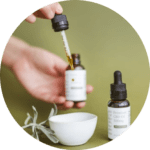
7. CBD
CBD (cannabidiol) is the major non-intoxicating cannabinoid found in cannabis plants. Unlike THC, it won’t get you high, but it still offers a plethora of benefits for mental health. CBD is one of the safest natural antidepressants. The WHO reports that CBD is well-tolerated by humans even in doses as high as 1,500 mg daily taken for several weeks (53).
How Does CBD Work for Depression?
When you take CBD oil — the most popular form of CBD, which is an oily hemp extract — the CBD starts interacting with the endocannabinoid system (ECS), known as the master regulatory network.
The ECS is present in all systems and organs throughout the body; it promotes and helps maintain homeostasis between essential physiological and mental processes — including mood, memory, pain perception, appetite, sleep cycles, emotional processing, immune function, and more.
CBD has a similar structure to the body’s endocannabinoids. Although it doesn’t have an affinity with any of the cannabinoid receptors (CB1 and CB2), it does affect the way they process endocannabinoids, including anandamide (the bliss molecule).
CBD signals the ECS to produce more endocannabinoids while slowing their breakdown; as a result, these endocannabinoids can circulate in the body for longer — promoting calmness, a sense of balance, elevated mood, and better response to stress (54).
On top of that, CBD can:
Inhibit the reuptake of serotonin

CBD uses a similar mechanism to SSRIs, but it doesn’t directly boost serotonin levels in the brain. Instead, it blocks the enzyme that breaks down serotonin so that the body can use it more efficiently (55).
Increase GABA levels in the brain

GABA is a natural inhibitory neurotransmitter that works as a hand brake for the brain. Optimal GABA levels help prevent neuroexcitation and thus keep anxiety and panic attacks at bay. Higher GABA levels are also associated with a calmer state of mind and improved focus (56).
Does CBD Interact with Conventional Antidepressants?
CBD is a potent inhibitor of Cytochrome P450, which is a system of enzymes that metabolize around 60% of pharmaceutical medications, including antidepressants (56).
It’s the same mechanism that’s used by grapefruit — hence a grapefruit warning on certain meds.
In short, CBD can compromise your liver’s ability to metabolize these drugs, resulting in too low or too high concentrations of the drug in your system (depending on the type of interaction). This may lead to either subtherapeutic effects or toxicity, both of which can be bad for your health.
Consulting a holistic doctor experienced in CBD and cannabis use will help you establish the right routine for your CBD oil supplementation and reduce the risk of potential interactions.
Related:

8. Ashwagandha
Ashwagandha is derived from ginseng indica and is classified as an adaptogen. This means that the plant can help you deal with stress and improve your overall performance without compromising any of your physiological and psychological processes. It has been used for 3000 years in ancient medicine as a stress reliever and antidepressant. In one clinical placebo-controlled trial that involved 64 participants, 79% of those who took 600 mg of ashwagandha experienced a significant reduction in stress and depression. At the same time, the severity of both symptoms increased by 10% in the placebo group (57).
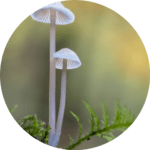
9. Medicinal Mushrooms
Medicinal mushrooms is a term that covers a group of mushrooms that offer a wide range of health benefits for the nervous system, immune system, and heart health. Research has found that medicinal mushrooms allow the user to reconnect with their emotions, unlike conventional antidepressants, which help the user cope with depression by dulling their emotions (58).
10. Vitamin B Complex
There’s strong evidence that a decrease in vitamin B-12 is associated with increased depression. Moreover, individuals with higher levels of vitamin B-12 are more likely to respond to their antidepressant treatment than people with low levels of this vitamin (59). If your blood tests indicate low vitamin B-12 levels, and you’ve recently found yourself depressed for an unknown reason, consider adding vitamin B complex to your supplementation plan.
Final Thoughts on How to Cope with Depression Using Natural Antidepressants

Contrary to a popular misconception, depression reaches far beyond regular sadness and baby blues. It’s a serious mental illness involving a wide range of symptoms, including both physiological and psychological reactions.
Diagnosing depression can be a hard nut to crack, as some individuals may hide it by showing some symptoms that can be interpreted as aggression, irritability, or a stubborn refusal to change the negative behavior.
Fortunately, as more resources are fueled into researching potential treatments for depression, people are receiving more tools to cope with this health condition before it takes over their lives and interferes with their daily functioning.
From psychotherapies to conventional medications and natural remedies — there’s a whole world of treatments that will help you cope with depression long-term rather than just masking the symptoms.
If you’re up for trying alternative depression treatments, we highly recommend CBD oil. CBD uses a multifaceted mechanism to combat the symptoms of depression as well as some of its underlying causes, such as endocannabinoid deficiencies.
Just make sure to consult your options with a doctor who is knowledgeable about using complementary treatments for depression. Doing so will help you figure out the right dosage and avoid potential cross-interactions with other medications.
